
If you keep getting runny eyes in spring, break out in hives after eating certain foods, or can't stop sneezing around pets and dust, the first step toward actually doing something about it is identifying what you are allergic to. The gold-standard test for this is the skin prick test — a fast, simple procedure that can identify multiple allergens in a single visit.
This guide explains what the skin prick test is, how it works, and what to expect at Kim Joo-in Internal Medicine Clinic in Busan where the procedure is available in an English-speaking setting.
What is a skin prick test?
A skin prick test (also called a "prick test") is a simple procedure used to identify allergens — substances that trigger an allergic reaction in your immune system. It is the most common type of allergy test because it is fast, reliable, and minimally invasive, with results available in about 15 to 20 minutes.
The test can help identify the causes of:
- Allergic rhinitis (hay fever)
- Allergic asthma
- Hives (urticaria) and angioedema from foods or medications
- Anaphylactic-type reactions to specific triggers
- Eczema with suspected allergic component
It is also used to determine which allergens would be targeted in immunotherapy, and to evaluate how effective immunotherapy has been.
How does the skin prick test work?
The science behind it is straightforward. When an allergen you are sensitive to enters the skin, it binds with IgE antibodies on your mast cells, which then release histamine and other chemicals. Histamine expands the tiny blood vessels in your skin, creating a small raised bump (wheal) and redness (flare) — essentially the same reaction you would see from a mosquito bite, but in miniature and on purpose.
By measuring the size of these reactions, the doctor can tell which allergens your body is reacting to.
What happens during the test
Here is the step-by-step process, based on how the procedure is performed at Kim Joo-in Internal Medicine:
- Preparation. The doctor or nurse marks your forearm or upper back with small reference points, about 3-5 cm apart.
- Applying allergen drops. A small drop of each allergen solution is placed on your skin at each marked point. These are standardized extracts of common allergens like pollens, dust mites, pet dander, mold, and foods.
- Pricking the skin. A very fine needle or special lancet is used to gently prick the skin through each drop. The prick is extremely shallow — it should not draw blood and is usually described as feeling similar to a light pinch.
- Positive and negative controls. Two extra drops are always included: a histamine solution (to confirm your skin can react — positive control) and saline (which should not react — negative control).
- Waiting 15-20 minutes. You wait quietly while your skin reacts to the allergens it recognizes.
- Reading the results. The doctor wipes off the drops and measures the size of any wheals and flares with a ruler. The bigger the reaction, the stronger your sensitivity to that allergen.
Preparing for the test
A few important points to know before you come in:
- Stop antihistamines in advance. Oral antihistamines (like cetirizine, loratadine, fexofenadine) suppress the wheal-and-flare reaction and will interfere with the test. You typically need to stop them several days before the test. Your doctor will tell you exactly how long.
- Let the doctor know all medications. Some other drugs can also affect results. Bring a list of everything you currently take.
- Avoid bathing for at least 24 hours after the test. The test site should not get wet.
- Do not scratch or rub the test area during the 15-20 minute waiting period.
Are there alternatives if I can't do the skin prick test?
Yes. The clinic also offers allergy blood testing, which measures specific IgE antibodies in your blood. Blood testing is slightly less sensitive than the skin prick test but may be preferred in specific situations:
- If you cannot stop taking antihistamines (for example, for severe chronic symptoms)
- If you have extensive skin conditions that would make skin testing unreliable
- If you have had severe allergic reactions and even a tiny skin exposure feels risky
- If you simply prefer a blood draw over skin pricks
Blood test results take longer than skin test results — typically a couple of days.
Why do this test in an English-speaking clinic?
Allergy testing only helps you if you understand the results. Being told "you have a reaction to D. farinae at a 3+ level" does not mean much if you cannot follow up with questions: what it is, whether you should avoid it, whether medication will help, and whether immunotherapy is an option. At Kim Joo-in Internal Medicine, Dr. Kim will walk you through the results in professional English and explain exactly what the findings mean for your daily life in Busan.
About Kim Joo-in Internal Medicine Clinic
Dr. Kim Joo-in, M.D., Ph.D. is a board-certified internal medicine and pulmonology specialist. Before opening his own practice, he served as a Professor of Internal Medicine at Inje University Busan Paik Hospital for 14 years, specializing in respiratory and allergy medicine. He completed a clinical and research fellowship at Washington University in St. Louis School of Medicine and Barnes-Jewish Hospital in the United States, where he developed professional-level medical English.
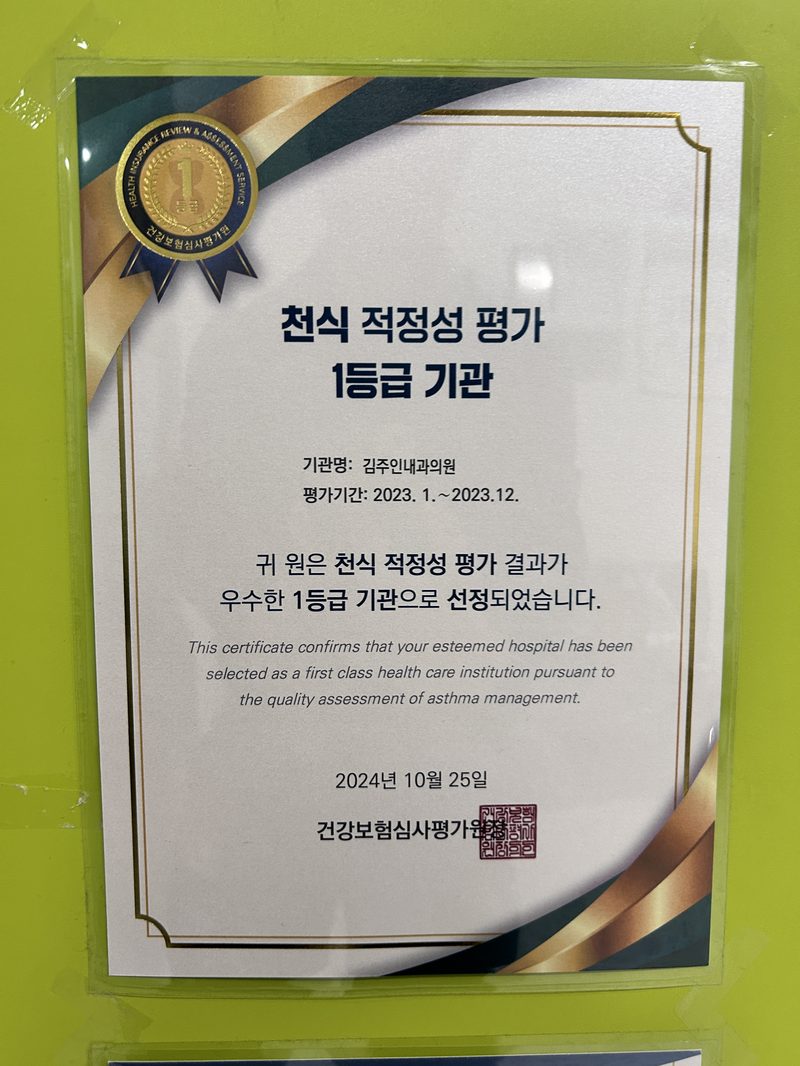
Dr. Kim has been recognized as a Best Doctor in Respiratory & Allergy Medicine by Busan Ilbo, and the clinic has received Outstanding Respiratory Disease Hospital recognition for three consecutive years from the National Health Insurance Review.
Clinic information
- Address: 8F Cheongseok Building, 64 Seomyeon-ro, Busanjin-gu, Busan
- Access: 5-minute walk from Seomyeon Station Exit 7 (Busan Metro Line 1 and Line 2)
- Phone: 051-802-7550 / 051-802-7552
- Hours: Weekdays 09:15–18:15 (lunch 12:50–13:50), Saturday 09:15–14:00 (no lunch break)
- Closed Sundays and Korean public holidays
- No appointment necessary — walk in during clinic hours
- English consultations available
Related Guides at Kim Joo-in Clinic
Frequently Asked Questions
How long does the skin prick test take?
The actual test and waiting period takes about 15-20 minutes for reading. Adding the preparation and consultation, plan for around 30-45 minutes total at the clinic.
Does the skin prick test hurt?
The pricks are very shallow and should not draw blood. Most patients describe it as a light pinch. It is generally well tolerated, even by children.
Do I need to stop my allergy medications before the test?
Yes. Oral antihistamines interfere with the test results and need to be stopped in advance. How long depends on the specific medication — the doctor will give you exact instructions. Bring a list of everything you currently take.
Can I do allergy testing if I'm pregnant?
Skin testing is not typically recommended during pregnancy because of the small risk of a systemic reaction. A blood allergy test is usually the safer option. Discuss your situation with the doctor.
Does Kim Joo-in Internal Medicine do allergy testing in English?
Yes. Dr. Kim speaks professional English and will explain the procedure, results, and treatment options in English. The clinic is a 5-minute walk from Seomyeon Station Exit 7.