
Spring in Busan brings yellow dust from China, tree pollen, and PM2.5 pollution. Here's what foreigners need to know.
The Three Culprits
1. Yellow Dust (황사) — March to May
Fine sand from the Gobi Desert carrying heavy metals and bacteria. Worsens asthma, causes eye irritation.
2. Tree Pollen — March to June
Cedar and pine peak March–April. Grass pollen follows May–June. Classic hay fever symptoms.
3. PM2.5 Fine Dust — Year-round
Worse in spring and winter. Penetrates deep into lungs. Dangerous for COPD and asthma patients.
When to See a Doctor
If antihistamines aren't working after one week, get properly tested. Allergy testing identifies your specific triggers so treatment can be targeted.
How Dr. Kim Can Help
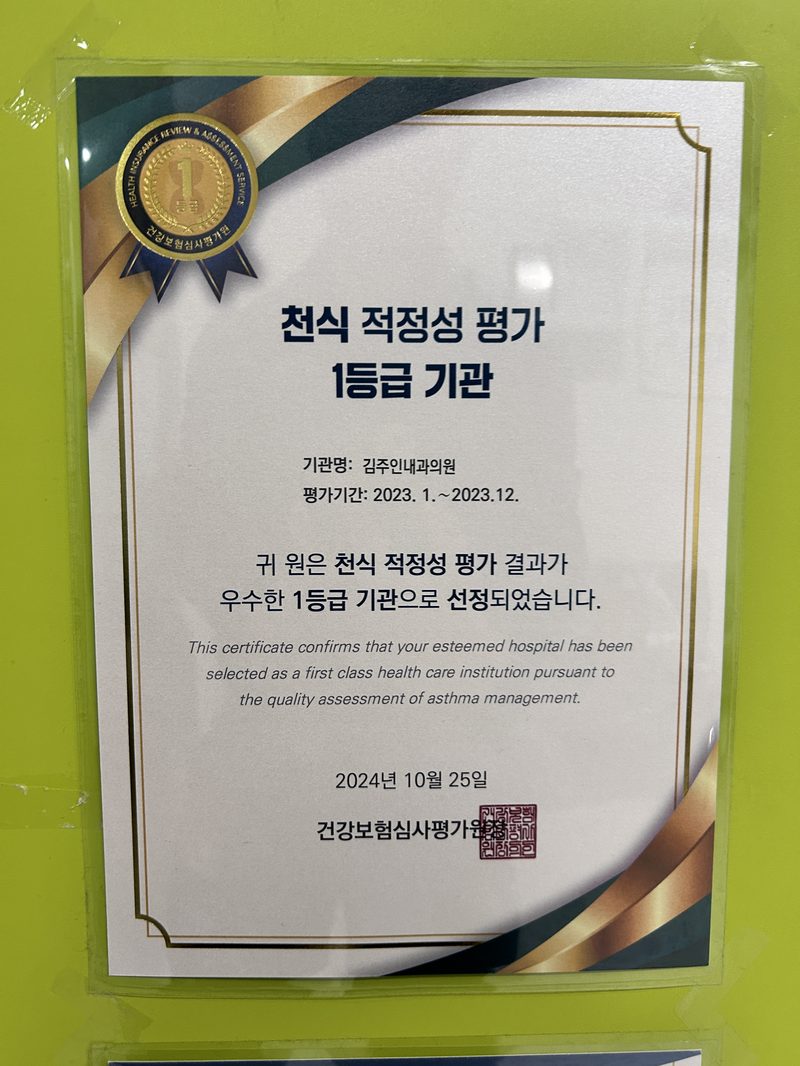
Dr. Kim Joo-in is a respiratory & allergy specialist — Best Doctor award (Busan Ilbo), 3× Outstanding Respiratory Disease Hospital (National Health Insurance Review). English consultation available.
Available tests: allergy skin prick test, pulmonary function test, blood allergy panel, bronchial provocation test.
Prevention Tips
- Check air quality daily: AirKorea app
- Wear KF94 mask on high-dust days
- Keep windows closed on yellow dust days
- Shower after being outside on high-pollen days
- Use air purifiers indoors
Frequently Asked Questions
When is allergy season in Busan?
Allergy season in Busan peaks in spring (March-May) due to tree pollen and yellow dust, with a second peak in autumn (September-October) for ragweed pollen.
Where can I get an allergy test in Busan in English?
Kim Joo-in Internal Medicine Clinic in Seomyeon offers comprehensive allergy testing with English consultation. The clinic is 5 minutes from Seomyeon Station Exit 7.
How much does an allergy test cost in Korea?
Kim Joo-in Internal Medicine offers allergy testing. Pricing depends on the number of allergens tested. NHIS members may receive partial coverage. Please contact the clinic at 051-802-7550 for current rates.
What are the most common allergens in Busan?
The most common allergens in Busan are tree and grass pollen (spring), house dust mites, mold, pet dander, and yellow dust/PM2.5 air pollution from late winter through spring.
Can I get prescription allergy medication without speaking Korean?
Yes. Dr. Kim Joo-in speaks English and can prescribe and explain allergy medications including antihistamines, nasal sprays, and emergency epinephrine in English.